
Exploring the WinterStarBonusBuy Experience
Dive into the captivating world of WinterStarBonusBuy, a game seamlessly blending immersive gameplay with current event themes, providing a unique gaming experience.


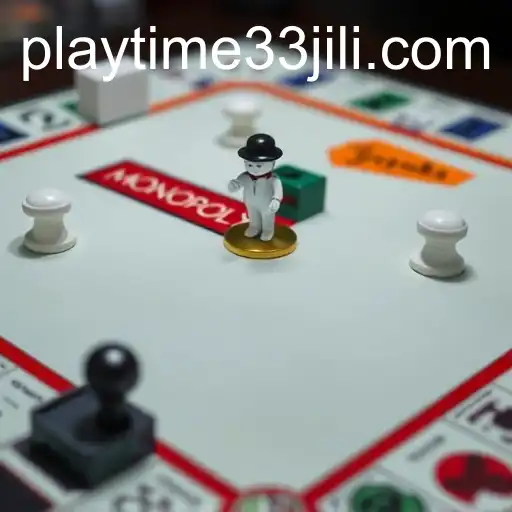
Monopoly, a timeless board game, has long been a favorite among family and friends. Known for causing heated debates and endless play sessions, it offers both entertainment and a glimpse into the world of economics. In this article, we delve into the fascinating universe of Monopoly, with a focus on an interesting aspect dubbed 'Playtime33'.
The story of Monopoly begins in the early 20th century. Elizabeth Magie, an innovative thinker, created a game called 'The Landlord's Game' in 1903. Her intent was to demonstrate the negative aspects of concentrating land in private monopolies. It was not until the 1930s that the game, now known as Monopoly, gained widespread popularity through Charles Darrow, who sold the rights to Parker Brothers.
Monopoly is straightforward yet complex. Players navigate a board divided into properties, utilities, and special spaces. The objective is to bankrupt opponents by developing a portfolio of properties and charging rent. The game encourages strategic planning, negotiation, and the occasional bit of luck – particularly when it comes to landing on 'Go to Jail' or 'Community Chest'.
Playtime33 is an intriguing concept in the context of Monopoly. It refers to the average time in minutes that dedicated gamers spend on a session under specific conditions. The figure, though variable, gives insight into how strategies and player interactions influence game duration and enjoyment.
Several elements contribute to Playtime33. Player expertise, number of participants, and rule variations all play crucial roles. Novices may prolong the game due to misunderstandings, while veterans could hasten proceedings with shrewd negotiations.
Strategies significantly impact the duration and outcome. Aggressive real estate acquisition might shorten a session, leading to quicker bankruptcies. Conversely, a cautious approach could prolong negotiations and lease agreements.
House rules often emerge during these sessions, leading to Playtime33 variations. Some groups might enforce all auction rules, while others skip them to expedite play. These adaptations reflect player preferences and influence the overall experience.
The impact of Monopoly extends beyond the board. It has inspired economic discussions and academic studies. The game is often used as an educational tool to teach basic financial principles such as taxation, asset management, and bankruptcy.
Monopoly symbolizes much more than just a board game; it represents the complex nature of capitalism and competition. This aspect has cemented its place in pop culture and has made it a household staple for generations.
Numerous variants of Monopoly exist today, keeping the concept fresh. These versions reflect popular themes, from blockbuster films to cultural landmarks. Digital adaptations further modernize the experience, enabling online gameplay that can influence Playtime33.
With the introduction of digital versions, Monopoly has become more accessible. Online platforms often introduce alternative formats and rules, leading to shorter or longer sessions. Digital gameplay has the added benefit of automating calculations, which can reduce decision-making time and streamline the process.
Online games can be found everywhere, including major platforms that encourage global participation and tournament styles, maintaining player interest and participation beyond traditional formats.
Monopoly, with its strategic depth and socio-economic insights, remains a favorite. The concept of Playtime33 offers a unique perspective, highlighting how game mechanics and player dynamics evolve over time. Whether as a tool for bonding or an exploration of financial strategies, Monopoly's versatility keeps it relevant to diverse audiences worldwide.
For those eager to delve deeper into the complexities of Monopoly, the exploration of different house rules and the assessment of average playtimes can offer new layers of challenge and enjoyment. Thus, Monopoly continues to engage and entertain, much like the dynamic economies it simulates on the board. Visit our homepage for more information on this beloved game.
If you're looking for a reliable, fully licensed, and secure sportsbook with a wide selection of games, Playtime33 is the perfect choice. We're committed to providing you with the best online betting experience, with premium quality, excellent service, and continuous innovation. Sign up now and receive ₱777 for free!
Join now
Get the latest information, experience and betting strategies from the expert team at Playtime33.
Dive into the captivating world of WinterStarBonusBuy, a game seamlessly blending immersive gameplay with current event themes, providing a unique gaming experience.

Dive into the enchanting world of MayanEmpire, a game that combines history, strategy, and adventure with Playtime33's cutting-edge technology.

Discover TreasurePirate, an exhilarating game that combines adventure and strategy, featuring the innovative Playtime33 mode.

Dive into a vibrant world of fiesta and fortune with the captivating game, HotRioNightsBonusBuy. Discover its unique features, gameplay mechanics, and how current trends shape the gaming landscape.

Dive into the mystery of 'BookOfSherlock,' a game that combines thrilling adventures with the cerebral tactics of Sherlock Holmes, making it a unique gaming experience for those intrigued by mystery and deduction.

Dive into the captivating world of VegasRepeatWins, a thrilling game that blends strategic gameplay with high-stakes excitement. Learn about its features, rules, and how to master the art of winning.
 Join now